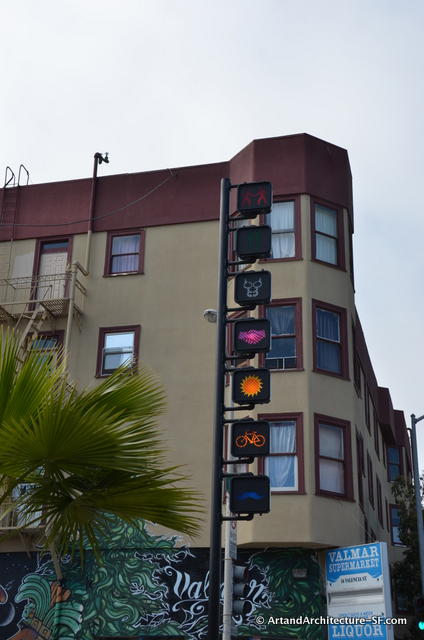
16th at Missouri
Potrero Hill
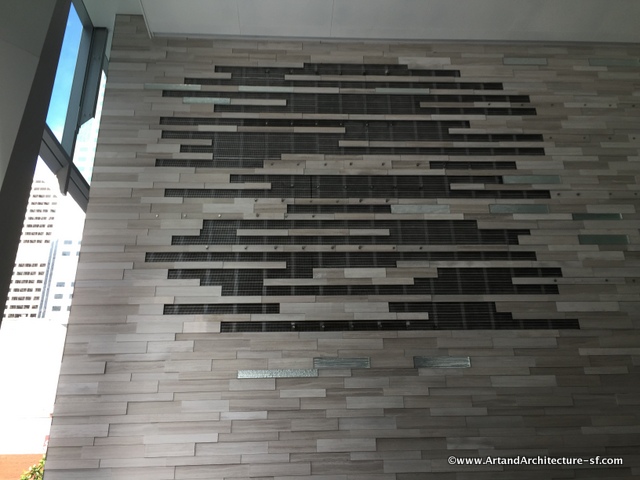
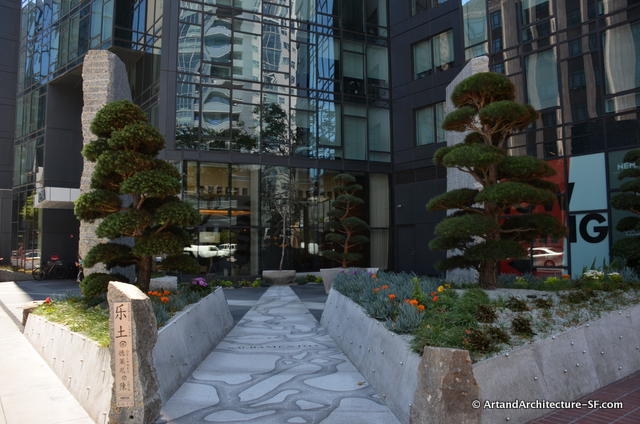
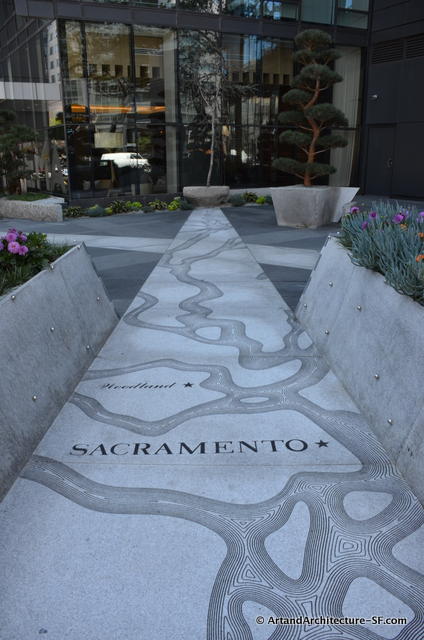
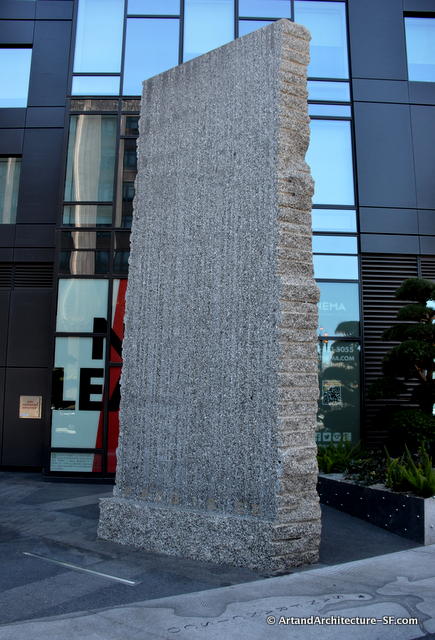
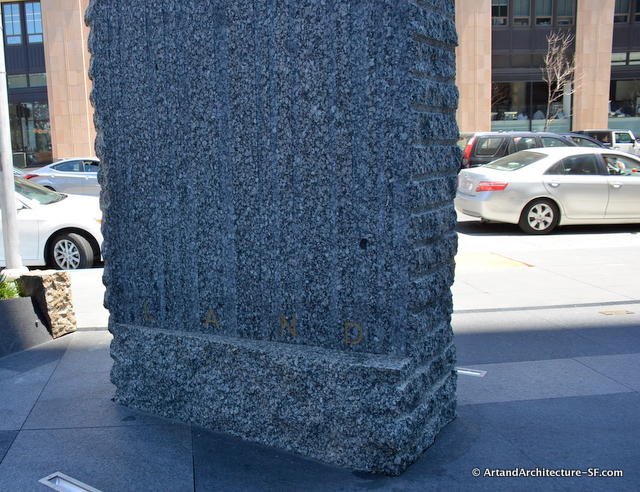
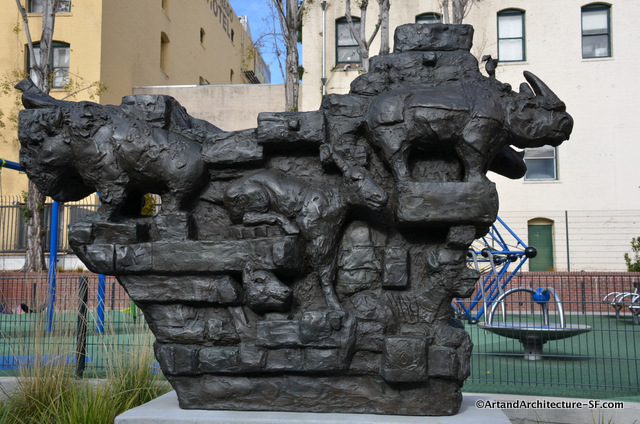
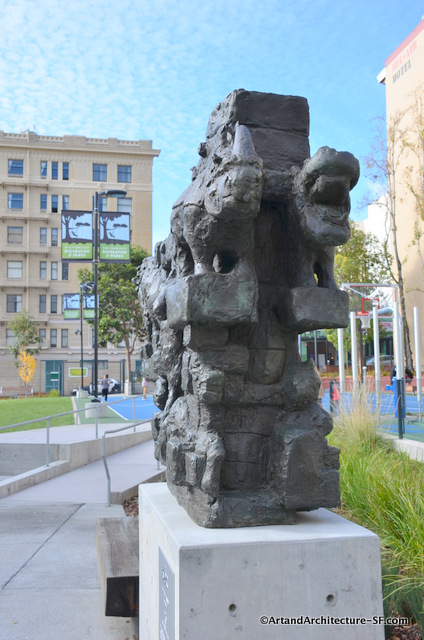
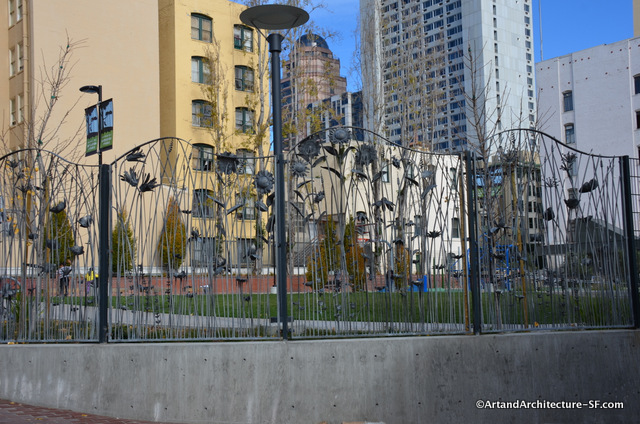
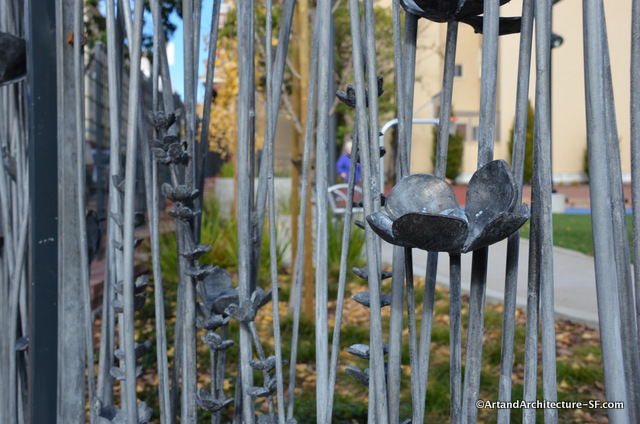
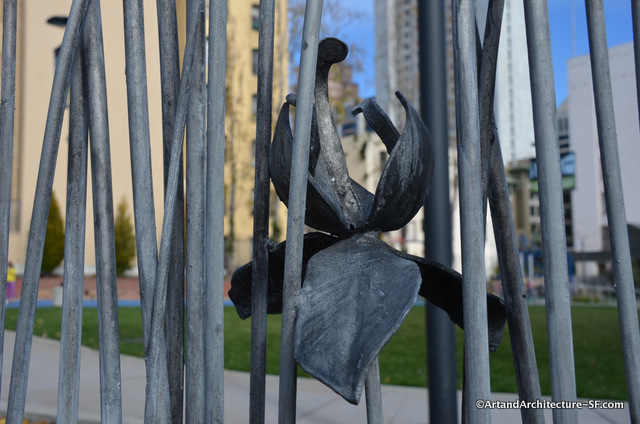
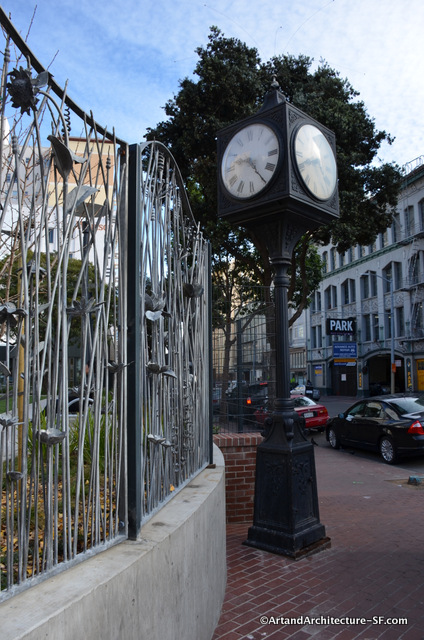
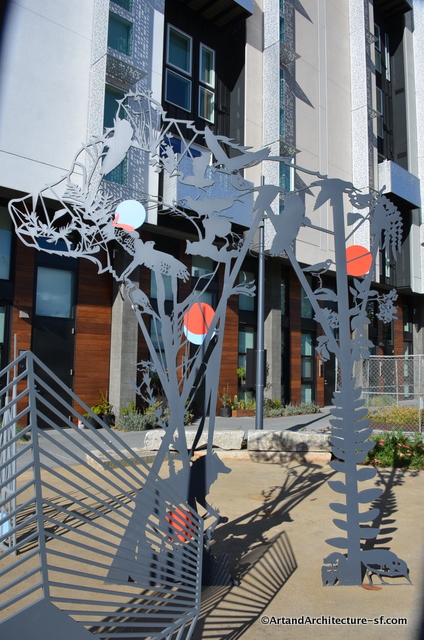
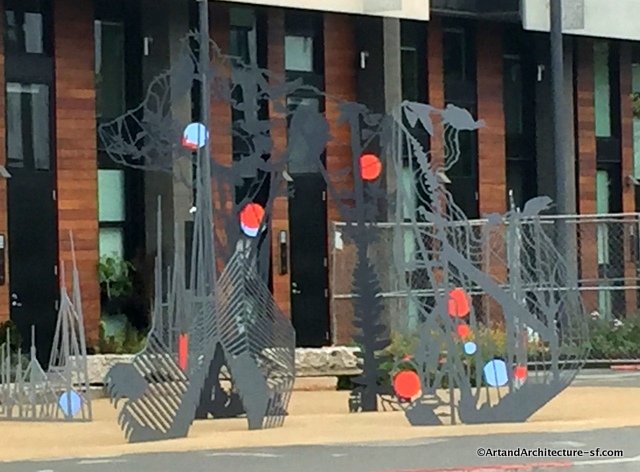
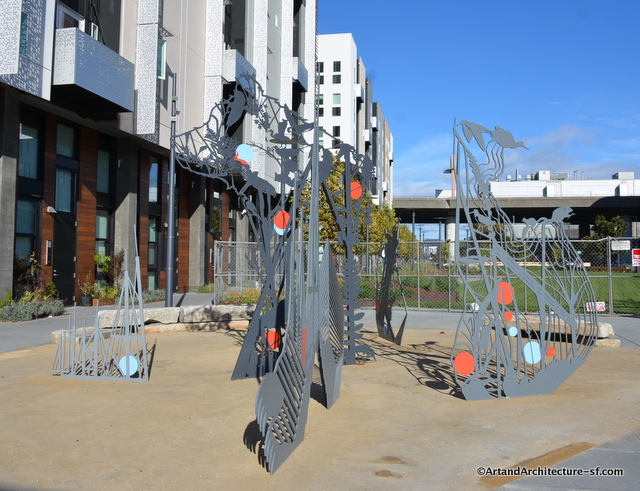 The plaque at the site reads: This artwork is inspired by the history of Mission Bay, a 5,000 year-old tidal marsh that was once the habitat of a rich array of flora and fauna. Growth of the city in the 19th century brought shipyards, warehouses and railroads and this part of the bay was eventually filled with sand and dirt from nearby development, as well as debris from the 1906 earthquake. The five panels that form Shadow Kingdom evoke this layered history. Ship masts intersect with topographical and architectural references. Some of the plants and animals that once lived here, like elk, beaver, salmon, sandpipers and pickle weed are also depicted. When viewed from a distance the sculpture takes the shape of the California grizzly bear, a species that last roamed San Francisco in the mid-1800s. As the sun arcs across the sky, these once endemic species are projected as shadows onto the terrain they once inhabited.
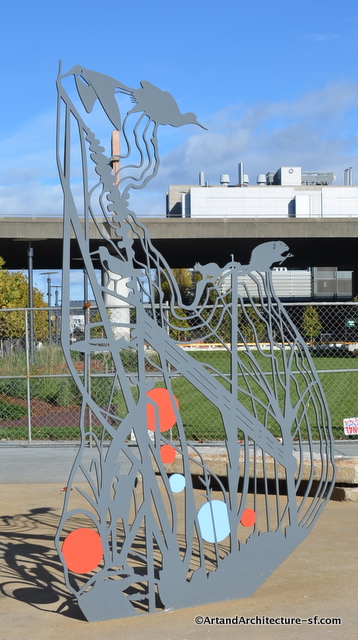 Adriane Colburn was the selected artist for this project. She holds a BFA in Printmaking, from The School of the Art Institute of Chicago, 1997 and a MFANew Genres from Stanford University, 2001.
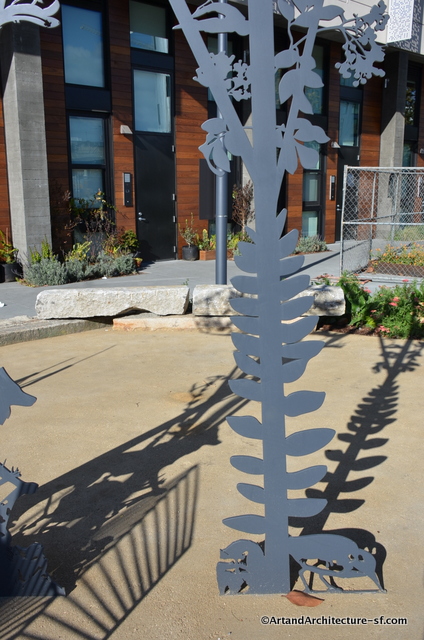 Colburn describes her work: In my practice I seek to reimagine maps and photographs of places (and networks) that are obscured by geography, scale or the passing of time. At the core of this is a fascination with the way that our attempts to make sense of the world around us through maps, data and images result in abstractions that are simultaneously informative and utterly ambiguous. I create my installations by transforming images through a system of physical removal, cutting out everything except imperative lines, thus creating constructions that are informed by voids as much as by positive marks. Through this cutting and display, an intricate array of reflective shadows results. All of my projects are based heavily on research and have a strong connection to place. My work tends to have a fragile appearance, however, my recent projects are constructed primarily of steel and aluminum, giving them a high level of permanence while maintaining their delicacy.
 *
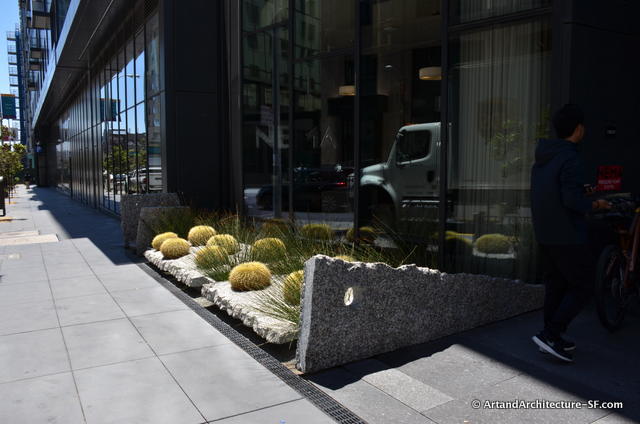
*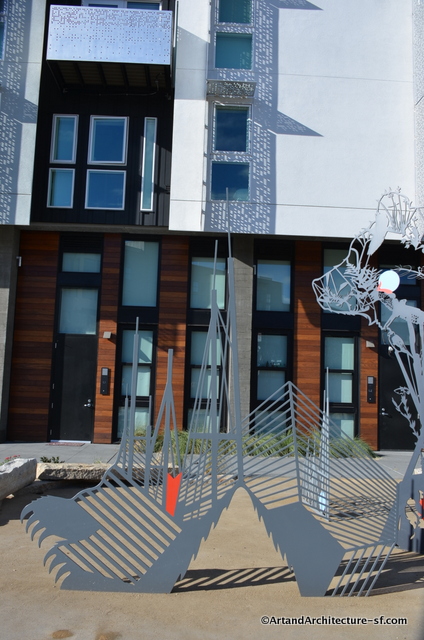 The San Francisco Art Commission budget for this project was $193,000. The piece sits at the entry of a 453-unit development by Equity Residential, on the edge of what is now called Dagget Park.
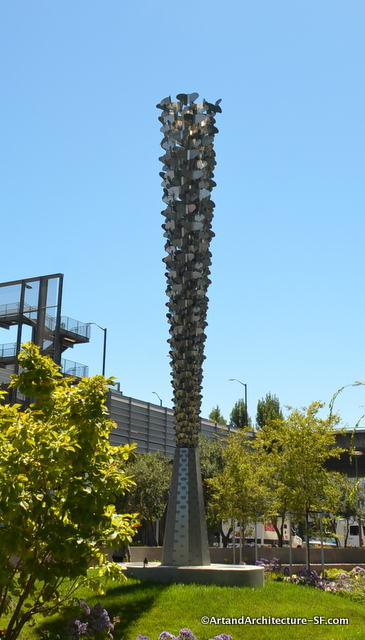

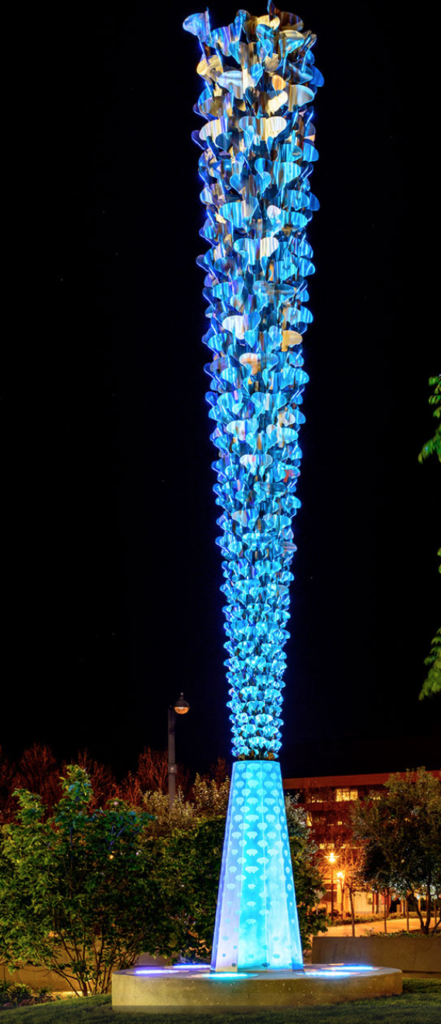
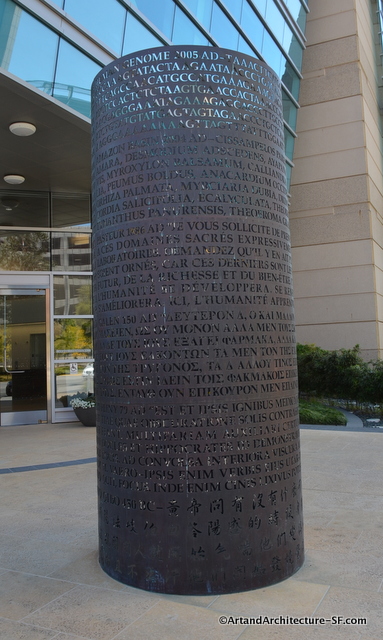
 Themes in his work have included “making the invisible visible”, with many sculptures focusing on topics such as magnetism, the carioles effect, secret messages, and mysteries of atomic reactions.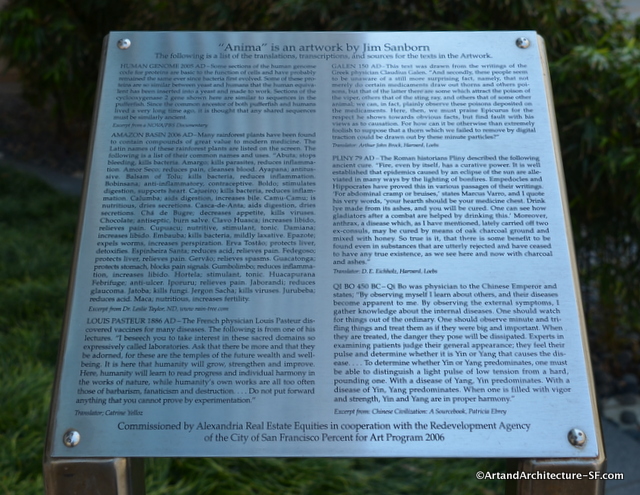
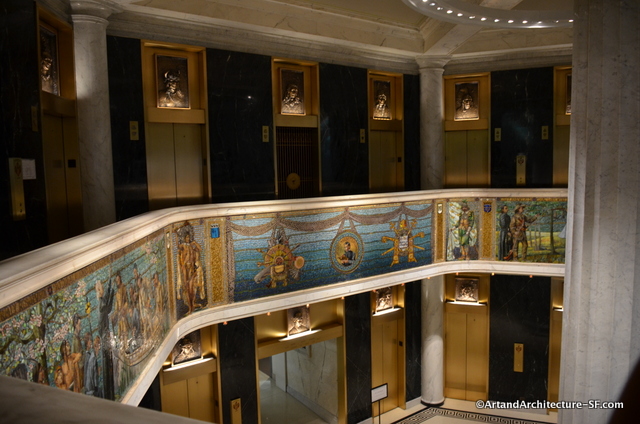
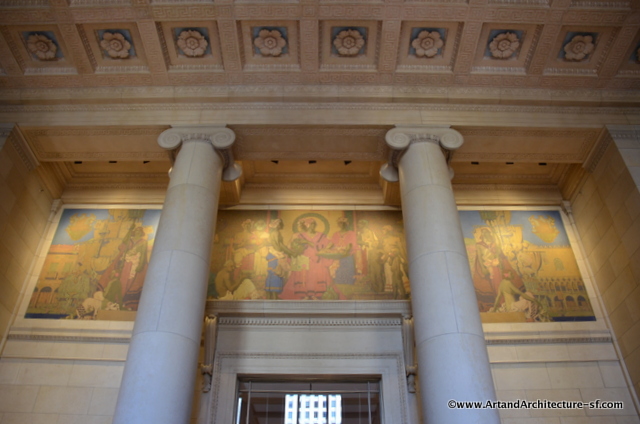
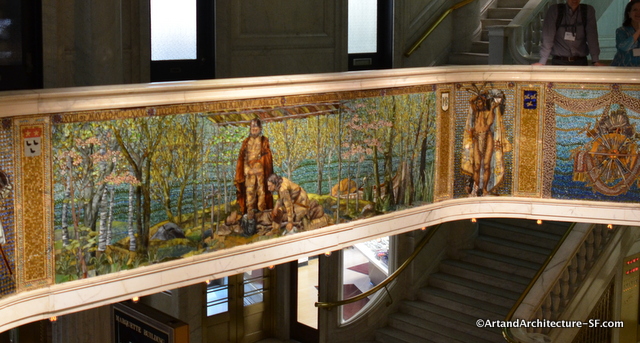 Jacob Adolph Holzer was a Swiss artist who worked for Tiffany as chief designer and art director, he was responsible for the design and execution of the Marquette murals.
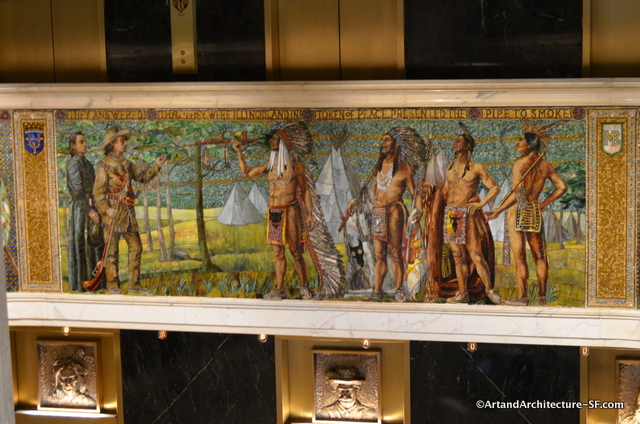 Holzer’s works include: in New York, the lobby of The Osborne, 205 West 57th Street. In Boston, the Central Congregational Church, 67 Newbury Street (1893), and perhaps the Frederick Ayer Mansion, Commonwealth Avenue (1899–1901). In Chicago, the Chicago Cultural Center, 78 East Washington Street, as well as the Marquette Building. At Princeton, his mosaics of subjects from Homer fill the rear wall of Alexander Hall. In Troy, New York, his stained-glass east window and baptistry mosaics can be seen in St Paul’s Church.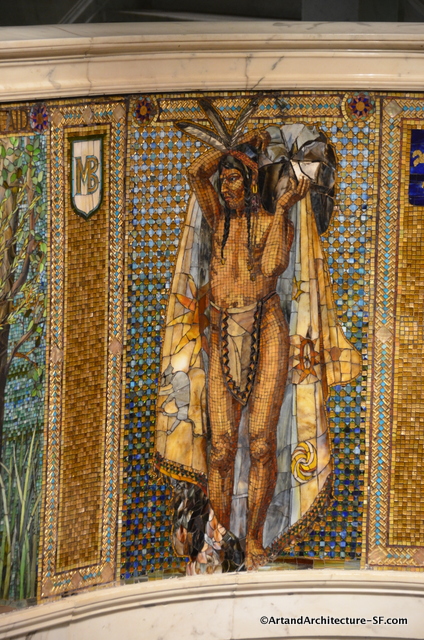

 They represent the fairytale animals from our childhood – a furry innocence, frolicking through idyllic fields. Intrude deliberately evokes this cutesy image, and a strong visual humour, to lure you into the artwork only to reveal the more serious environmental messages in the work. They are huge, the size referencing “the elephant in the room”, the problem, like our environmental impact, big but easily ignored.